Hilaza: Finding the Thread Running Through My Art
FINDING THE MEANING OF THE EVOLVING FLOWERS
When I moved into what would become my first studio outside of my home, I thought that was the next step, more space, more community, more creativity. What I didn't expect was what would greet me when I started unpacking all my art boxes.
Tucked inside one of my boxes were small works on paper, recurring in themes: houses, abstract cultural forms, and flowers, oh so many flowers. I had not noticed that I had been actively working on, or that I was picking up onward from years prior.
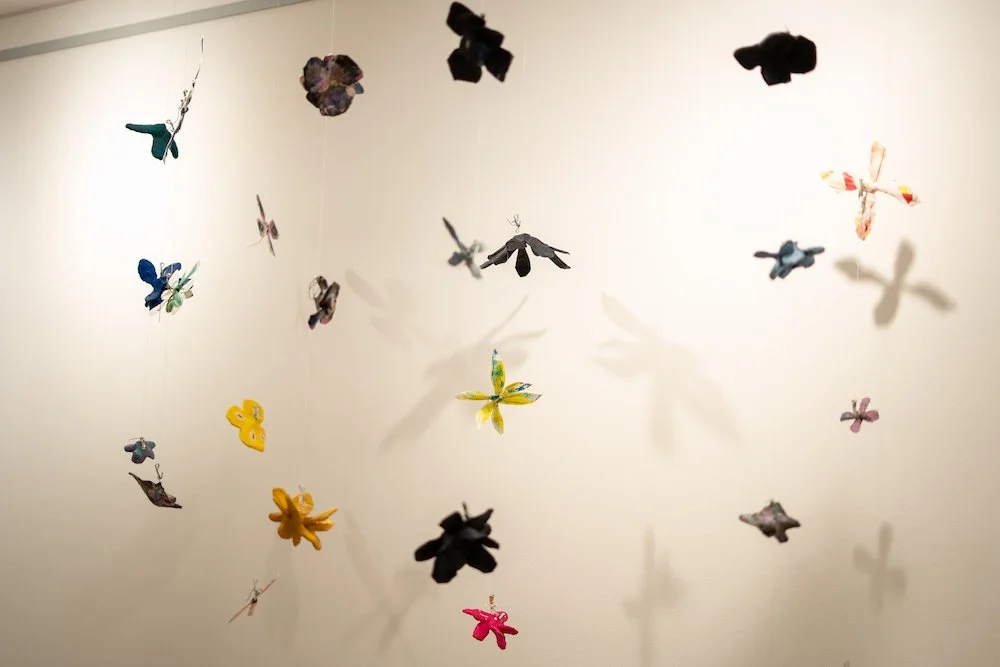
Flower Installation photograph by Leilani Photograhy
THE ORIGEN
Because I know there's a story behind all of my art, I had to start analyzing. I went back through every flower work I had made.
There were two pieces from my Fragments series, works made from photographs taken during a soul-searching trip to Guatemala. Then a gap of a few years and then two small paintings made during lockdown that started everything.
With nowhere to go for inspiration, I remember looking around my home and reaching for the décor I'd brought back from Guatemala. Colorful, bright, almost defiant in their happiness compared to what we were living through. Those flowers became my anchor.I just didn’t know it yet.

THE REAL ORIGIN, MY MY MOM
She would travel to Guatemala she would return with gifts, little pieces of her culture that she wanted her daughters to hold onto, even though we weren't raised there. I remember a doll she brought back once. Like a Raggedy Ann doll, but Guatemalan and dressed in traje típico, the traditional hand embroidered clothing. As a child I didn't appreciate it the way I do now. But looking back, I understand exactly what she was doing. She was making sure we didn't forget. She was threading our heritage into our hands before we even knew what heritage meant.
That doll, those textiles, that embroidery — it was all living inside me long before it ever showed up in my paintings.

Canvas painting with stitched thread titled, Threaded
THOSE FLOWERS WOULD CONTINUE, COMPLETELY UNNOTICED
Fast forward, we sold our house, bought land to build, and moved into what was supposed to be a short temporary home while construction happened. That little window of time stretched far longer than any of us wanted.
For a creative person, extended stillness has a cost. When I'm not making, I feel sadness creeping in almost like a form of depression, I already suffer from anxiety it just gets worse, and moodiness definitely moves in. Let’s not talk about all the ideas that don’t disappear, they just pile up. I gave up waiting for the perfect conditions and made art in the RV, outside the RV, on our patio table on our land. Whatever it took to get the creative itch out.
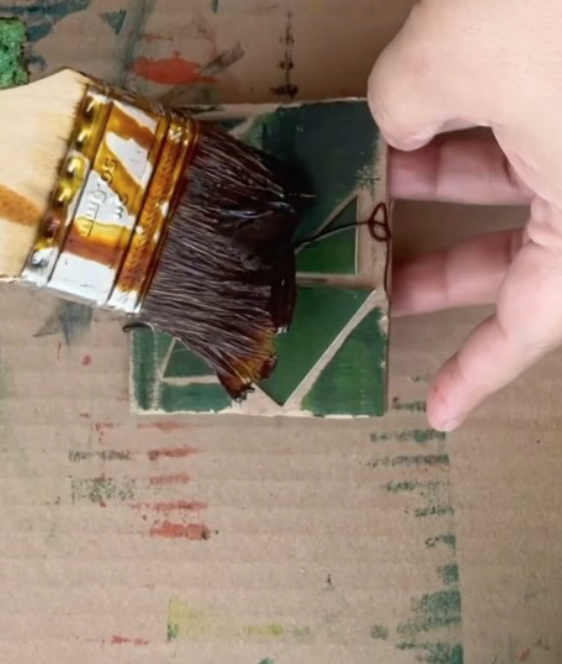
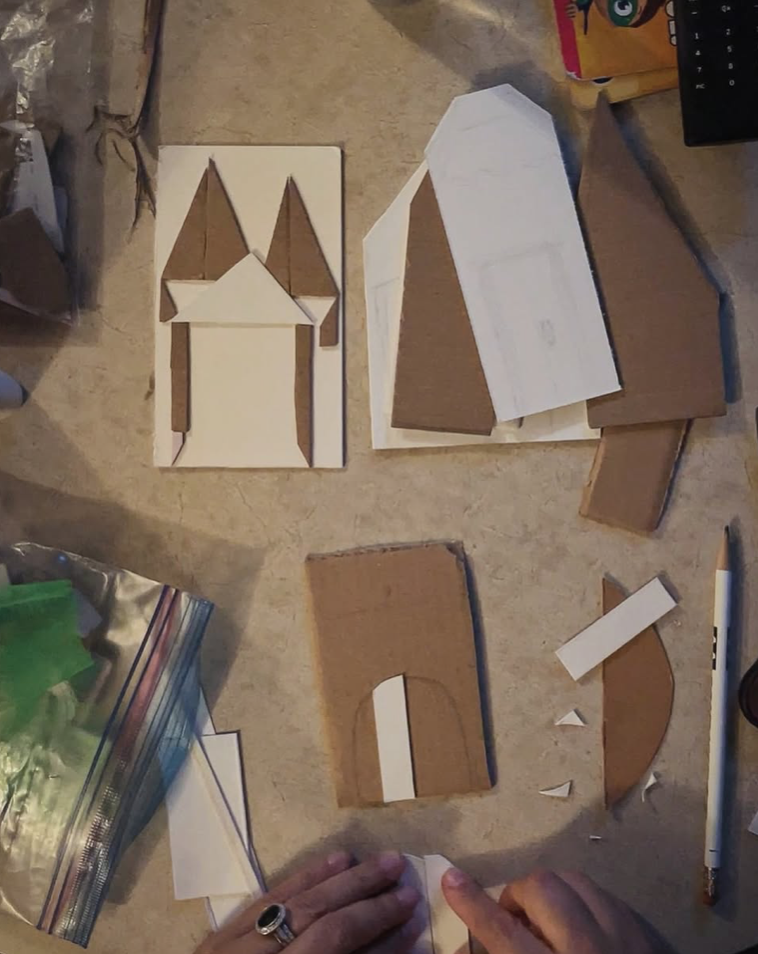
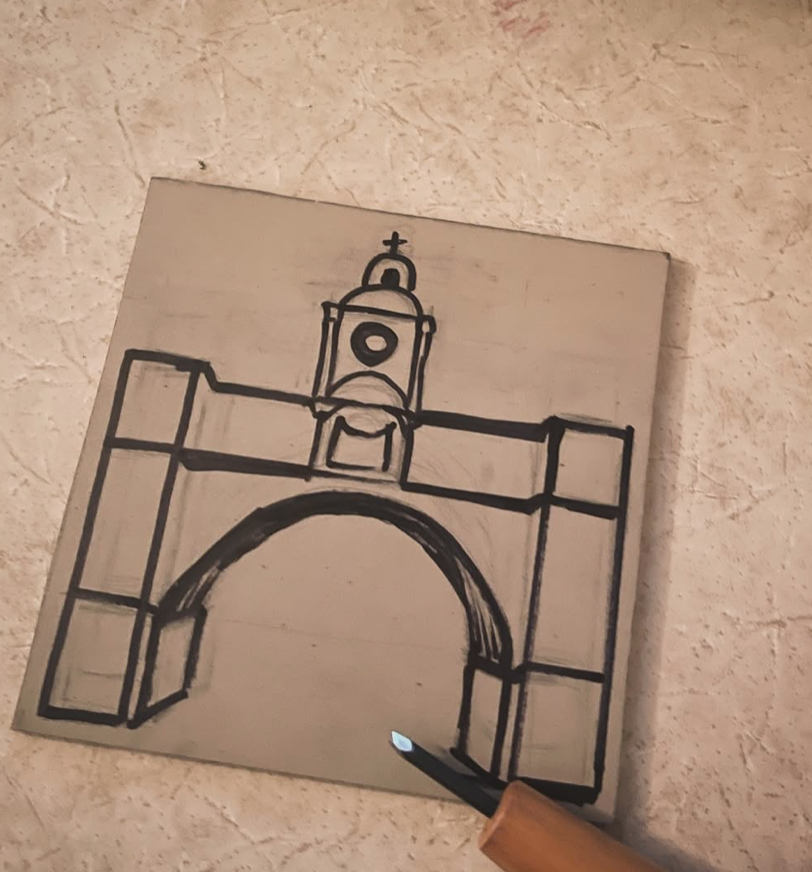
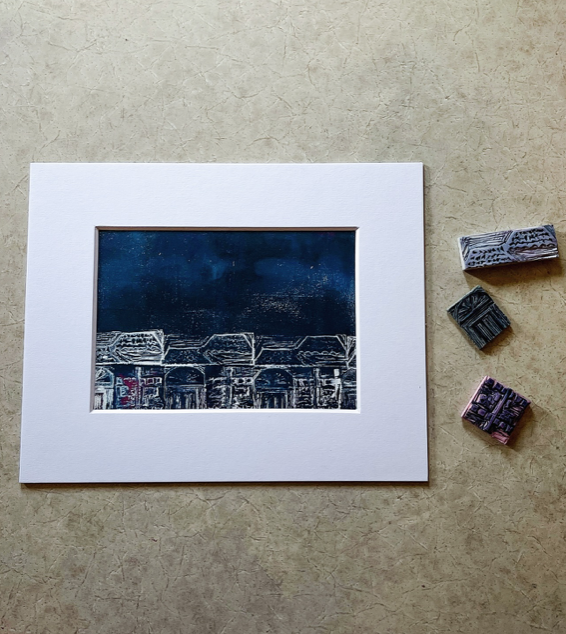
LIMITED SPACE = SMALL WORKS
Working in a small space meant planning around little hands. My husband would take our son out for a few hours so I could have uninterrupted time, and I made it count.
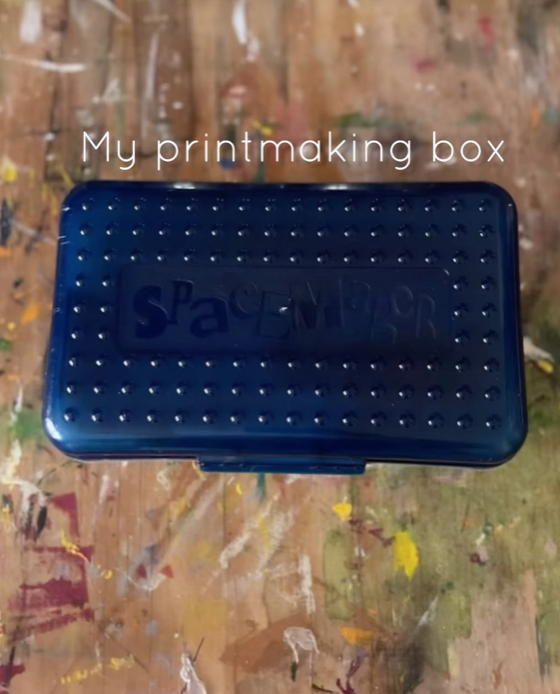
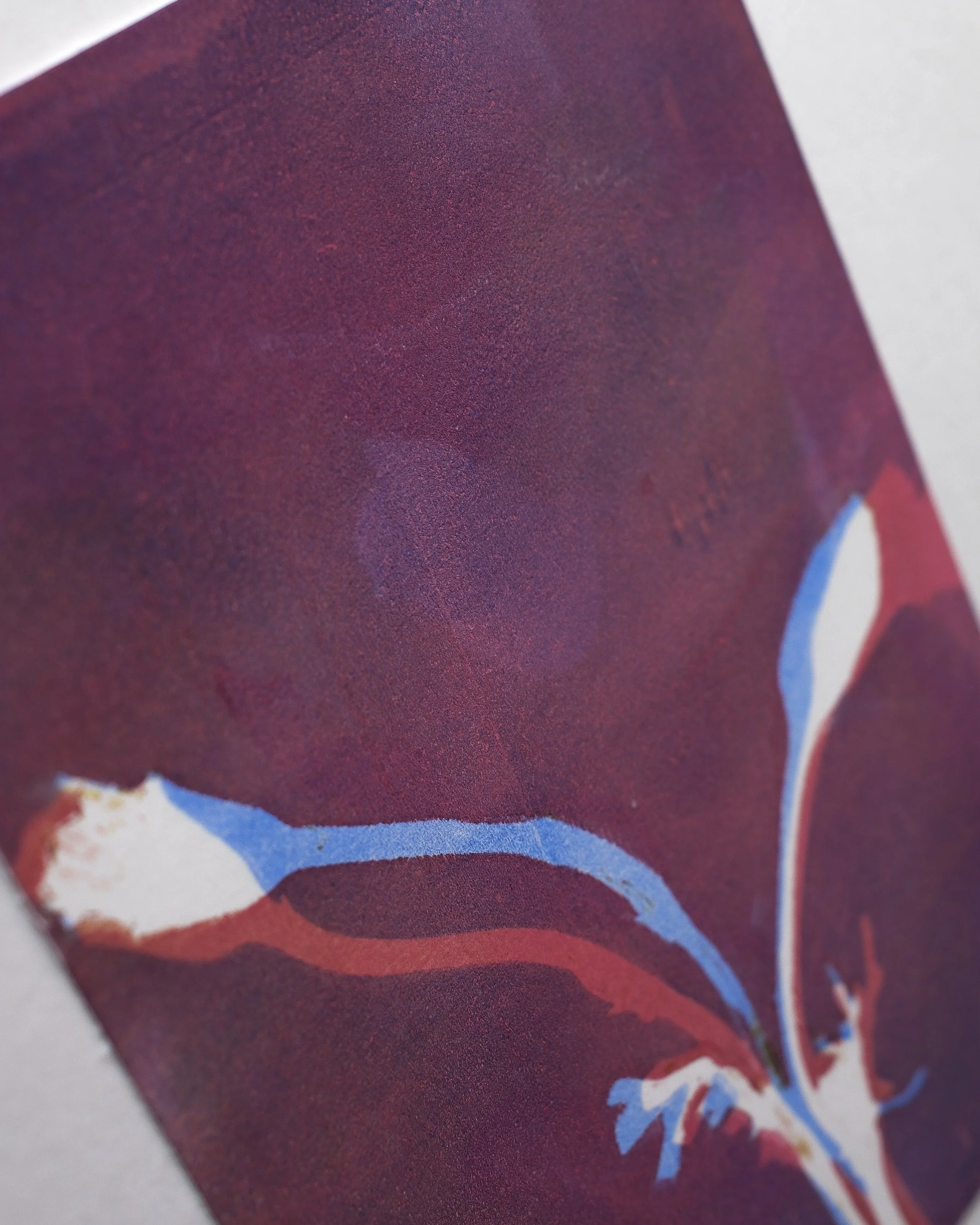
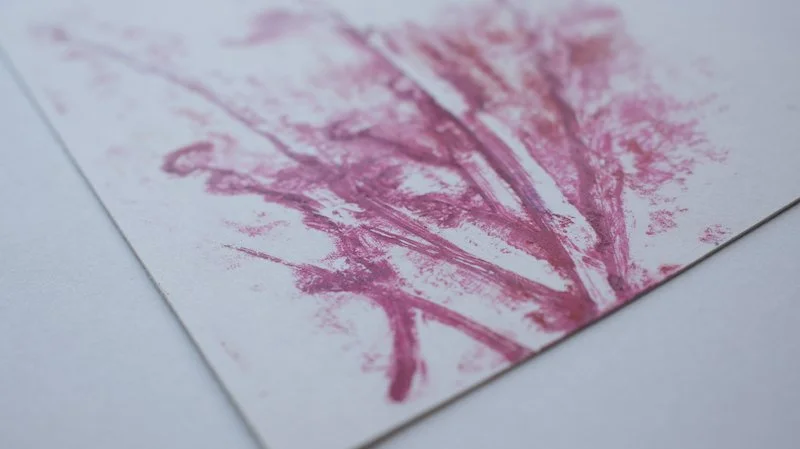
I brought home only what fit in small boxes from storage. What made the most sense, like gelli plate, collographs and collage. The gelli prints took over our tiny dining table. Same colors, same subjects, session after session. It wasn’t about perfection, it was about exploring and just making.
I was picking flowers and weeds from the land, from my walks, even the pretty weeds that crowded around the RV. I didn't realize it then, but I was building a body of work, of flowers.
FROM THE LAND TO THE GALLERY
When the opportunity came for an exhibit, what originally started as a dual show then later became my own with the date set, it was like a dam broke. All those ideas that had been piling up finally had somewhere to go.
I knew I wanted the work to tell my story honestly. That meant using materials from the land we had been preparing for our homestead, those were physical pieces of that chapter of my life. It meant bringing in the small works on paper made on that little RV table. It also meant finally letting the flower works do what it had been quietly trying to do all along: trace a line back to my mother's gifts, to Guatemala, to the embroidered textiles that shaped my visual language before I had words for it.
Photography by Jimena of PhotoDsigns
THE NAME, HILAZA
Hilaza is not the word for thread. That would be hilo, most of us know that one. It’s clean, finished, already knowing what it is.
Hilaza is something rawer. It refers to a strand of twisted fibers, the kind used in knitting, crocheting, or hand-sewing. It’s something still in process, still being worked. It can also mean a loose thread, a coarse fiber, material that hasn't yet decided what it will become.
That distinction is everything. I felt it described me, my work, my series.
My relationship to Guatemalan textile heritage was never clean or finished. It wasn't handed to me in full. It came in fragments (no pun to my last series) a doll in traje típico I didn't fully appreciate as a child, embroidered flowers absorbed without knowing I was absorbing them, color combinations I thought I was inventing until I realized I had seen them my whole life on fabric brought back from my mother's trips home. It was loose. It was coarse. It was hilaza, not yet woven into something, but already inseparable from the fabric of who I am as an artist.
The show wasn't about having resolved that inheritance. It was about finding the thread, twisted, imperfect, still unraveling in places, and like Alice, I’m still following it.
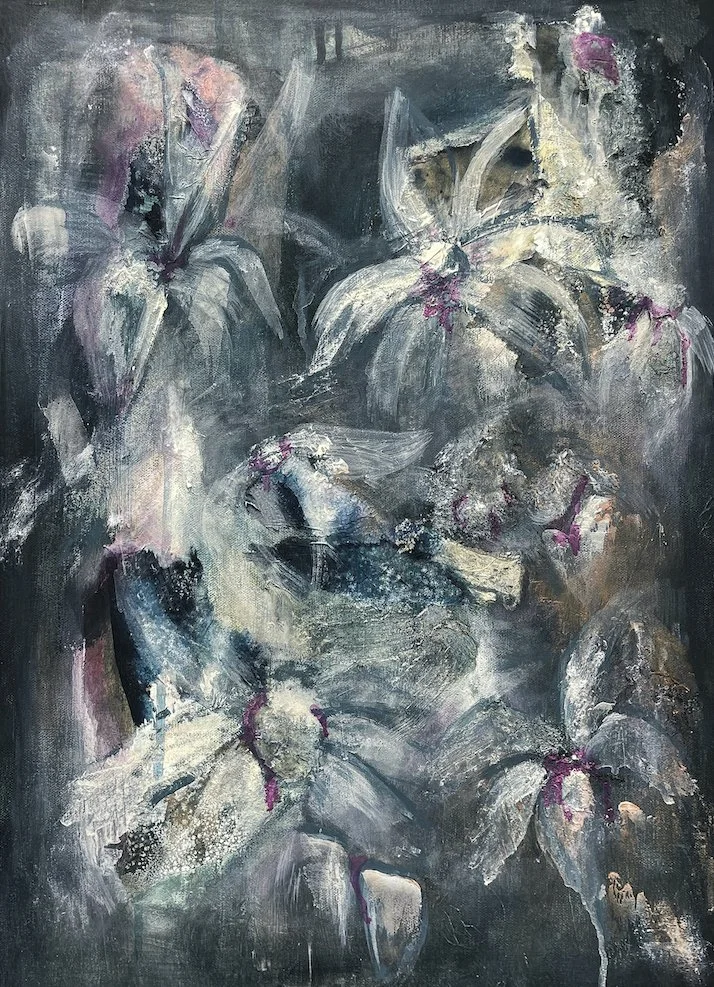
Mixed Media Painting, Origen
FINAL NOTE
I loved writting this reflection on Hilaza, and you know how much I love writing, I just don’t get to do it as much. I've decided to start a Substack to tell the smaller stories, you know, the ones that don't always make it to this website. The in-between moments, the process, the things I'm figuring out as I go. My random thoughts if you will, less of a social media but an artistic journal. If you want to follow along, you can find me at @lesliemguzman — the newsletter is called Artist Exploring Life, and this post is exactly the kind of thing you'll find there.